


Integrated Marine Ecology
All living beings, including underwater organisms, maintain an intricate relationship with their environment and with the other living beings around them. Discovering this complex network is essential if we are to move towards a sustainable society.
The Integrated Marine Ecology group, also known as INMARE, is a multidisciplinary group mainly focused on addressing ecological studies of marine organisms using complementary approaches. The topics studied cover a broad spectrum, from ecology, evolutionary biology, genomics and conservation to basic and applied research for the ecosystem-level management of marine resources that ensures biodiversity conservation. The group therefore takes a broad approach, ranging from studies with specific species to fishery-oceanographic research surveys and experimentation under confinement conditions.
This approach by the INMARE group requires several basic elements for the development of its research. On the one hand, the definition and description of ecosystems involving marine resources in terms of scale, extent, structure and functioning; and, on the other, the assessment of the state of marine ecosystems, defined in terms of environmental health or integrity and established as what is acceptable for society, as well as the assessment of threats.
In addition, it requires the conservation, protection and rehabilitation of marine ecosystems and the mitigation of impacts using adaptation strategies, as well as the study of biodiversity from an integrative approach.
INMARE focuses on generating the knowledge needed to ensure the protection, conservation and sustainable use of marine biodiversity, including resources that are subject to exploitation. This knowledge is aimed at developing the instruments needed for the proper implementation of the ecosystem approach in marine resource management. The group currently works along five lines of work:
- Experimental studies of marine organisms in culture: biology, physiology, interactions with the microbiota and development of culture techniques; taxonomic characterization of harmful microalgae.
- Ecology of marine species (life history; trophic relationships; identification, delimitation and estimation of population abundance and its spatio-temporal variability; distribution and habitat use; population dynamics; microbial ecology).
- Ecology of marine ecosystems (structure, functioning, complexity, stability and biodiversity) and impacts of natural and anthropogenic stressors; ecosystem modeling.
- Conservation of marine biodiversity and sustainable use of living marine resources.
- Study of patterns and processes that contribute to the origin of biodiversity and its distribution, from an integrative approach ranging from ecology to genomics.
Members
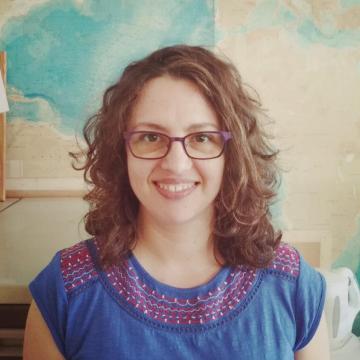
David Vieites Rodriguez
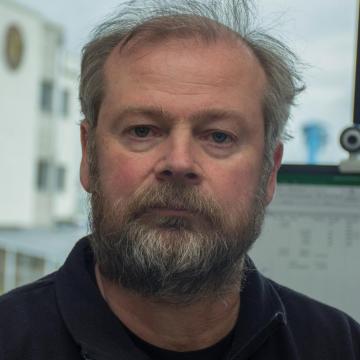
Graham John Pierce
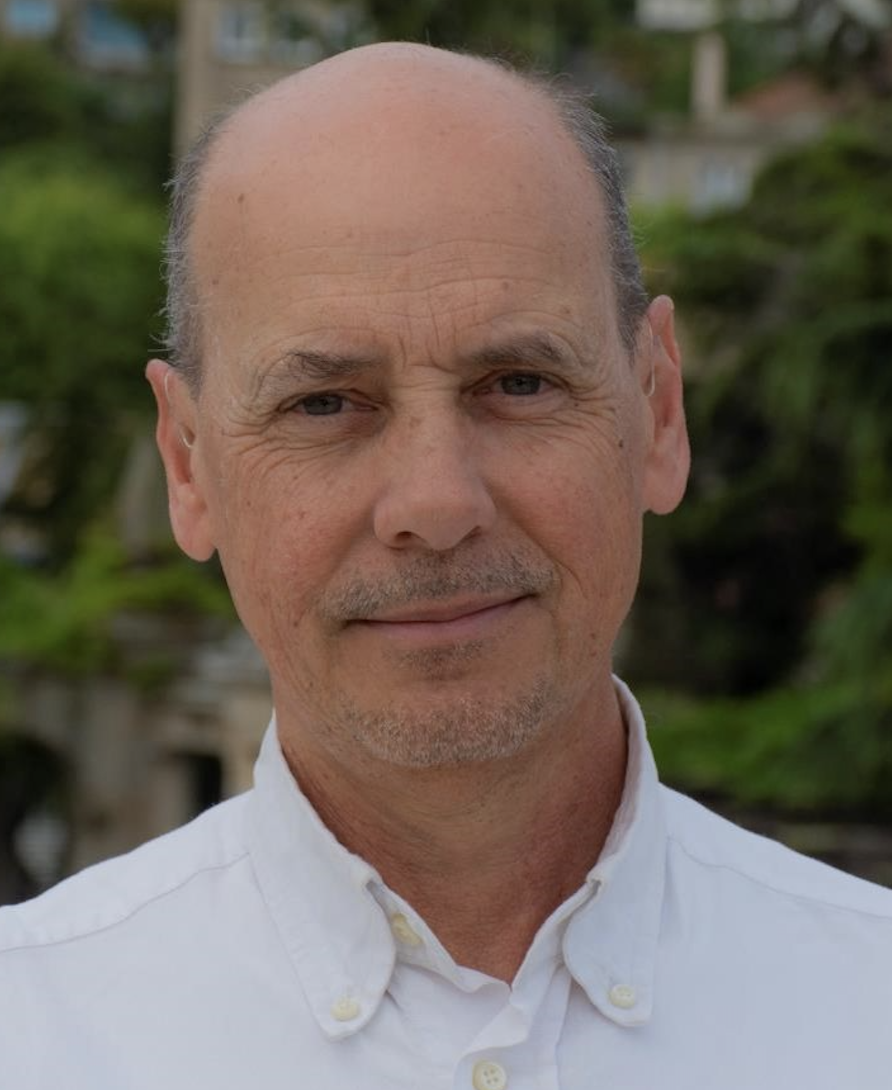
Jose Pintado Valverde
Juan Francisco Saborido Rey
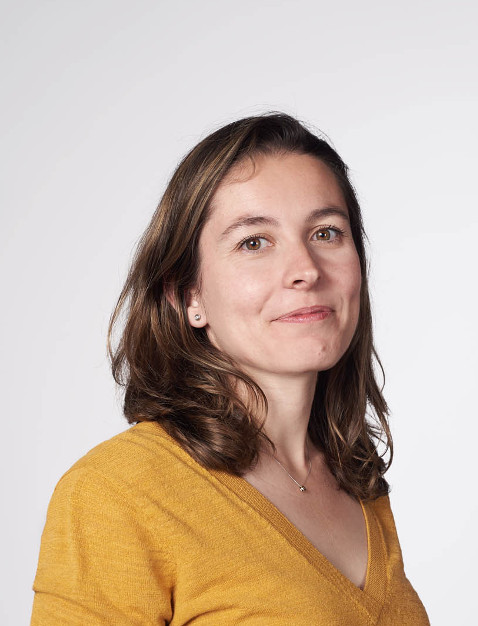
Lucia Pita Galan
Miguel Planas Oliver
Alberto Hernandez Gonzalez
Alejandra María Nieto Román
Alexandre Alonso Fernandez
Andrea Fariñas Bermejo
David Villegas Rios
Francisco Gonzalez Carrion
Gonzalo Del Olmo Berenguer
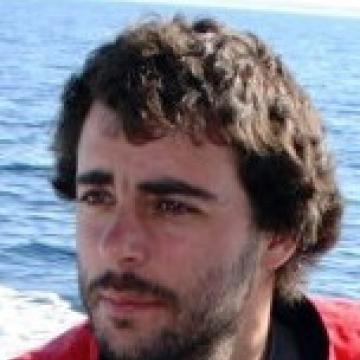
Gonzalo Ramon Mucientes Sandoval
Iñigo Exposito Ochoa
Jorge Carlos Santamaria Sardiña
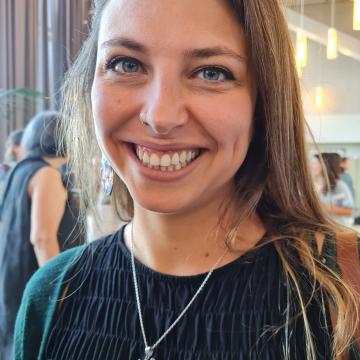
Katina Roumbedakis
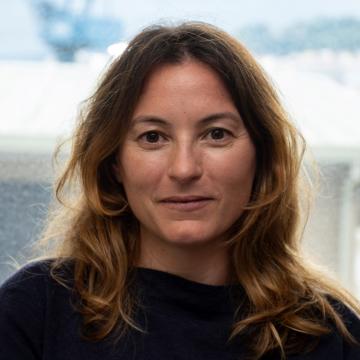
Laura Casas Castaño
Maria Del Pilar Feijoo Abal
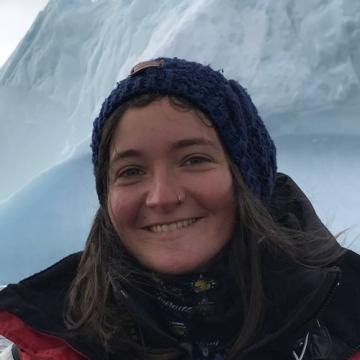
Marie Anne Claire Petitguyot
Mariña Fabeiro Quinteiro
Marta Casas Agudo
Rebeca Paola Rodriguez Mendoza
Sara Rodrigues Passos Rocha
Sira Pereira Cividanes