

in the comunicacións that facemos dende the Institute of Marine Research non paramos of remarcar the fin última of the noso work: the servizo the society.
Todos the days, miles of people dedican the seu tempo and esforzo the avanzar in the noso knowledge deste mundo; the discover the causas and consecuencias of the fenómenos that acontecen to the noso redor. Always seguindo with rigorosidade the método that define the nosa profesión: the método scientific.
With todo, é in the momentos of crise and need cando, se cadra, the visibilidade desta work diaria and the its utilidade saen more á palestra. the Prestige, the was the pandemia of the covid, é a deses intres históricos in the that the science, neste caso the marine science, reivindica the seu papel.
IIM of the 2002, xunto with outras institucións scientists, estivo moi implicado dende a first momento en aportar the seu knowledge on the funcionamento of the marine environment for the xestión of the crise and for the posterior recuperación of the costas. Iniciativas that, moitas veces, the recorda the researcher Ricardo Prego, partían of the own voluntarismo of the community investigadora.
Neste artigo resumimos, en poucas liñas, todo the work that the persoal of IIM realizou the consecuencia daqueles feitos.
IIM the asesor of the goberno
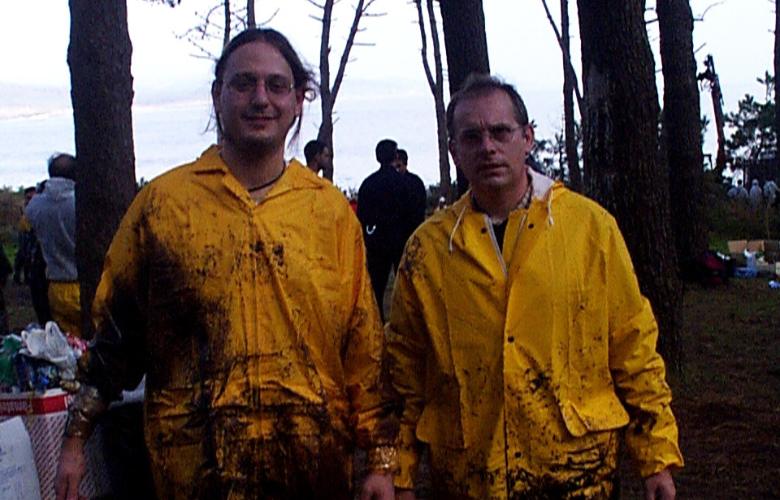
in the momento of the afundimento, the researcher of the group of Inmunoloxía and Genomic, Antonio Figueras Huerta, era the director of IIM-CSIC.
the relata in the artigo that publicamos this pasado Monday, was the day 9 of December cando the invitaron the formar starts from of the Comité Scientific Asesor to the goberno; 21 days despois of that the Prestige afundira sea adentro.
Aínda that reticente nun first momento, debido to the enfado provocado tras participate in the limpeza of the praias in the Cíes, Antonio acabou by aceptar the responsabilidade. the its calidade of biólogo marine and director of the Institute facían the their aportacións moi valiosas.
Participou also of the Comité the researcher Fiz Fernández Pérez, of the grupos of Procesos Oceánicos en Global Change. With todo, the seu papel levouno aínda more preto of the punto cero daquela crise.
More of 3000m of viaxe underwater
 |  |
the relata the own Fiz Fernández nunha recente entrevista in the Faro of Vigo, the primeiros days tras the chamada of socorro of the Prestige were caóticas, also in the eido scientific: “houbo realmente a certo caos between the need of facer algo useful, the tremenda falta of Organisation for afrontar events extremos and the falta of pautas políticas that só pensasen en the desfacerse of the problema”.
a of the primeiras iniciativas of the CSIC of the época was pórse en contacto co Ifremer, the Institute francés of sciences of the sea and, en specifically, co group that traballara só three years antes in the afundimento of the petroleiro Erika fronte á coast bretoa.
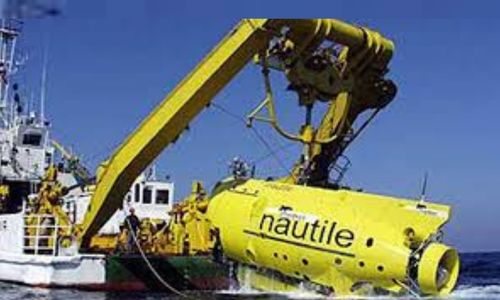
These xestións trouxeron ás nosas costas to the buque Atalante, the aboard of the cal viña the batiscafo Nautile, cos that comezaron the three campañas PRESTINAUT, coa misión of levar the people expertas até the pecio, the more of 3 kilómetros baixo the superficie.
Fiz was a of the three people that embarcaron in the escasos 2 metros that medía the espazo for the crew of the Nautile in the its primeira viaxe.
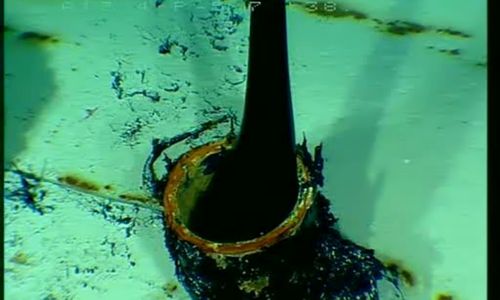
in the hours that pasaron baixo the water conseguiron localizar the proa, afundida the 3500m, tomar images of the casco, mostras of the fuel puro (without mesturar coa water, the that chegaba ás costas), determinar the estado of the fugas and, incluso, taponar the primeira of the vinte existentes in the buque.
This aventura recordábaa, the pasado Monday, a of the people ás that Fiz lle supervisaría the tese, the investigadora of IIM, Noelia Fajar: “Non sabía that a of the valentes of the Nautile sería the meu director of tese”.
Water and the combustible: a relación complicada
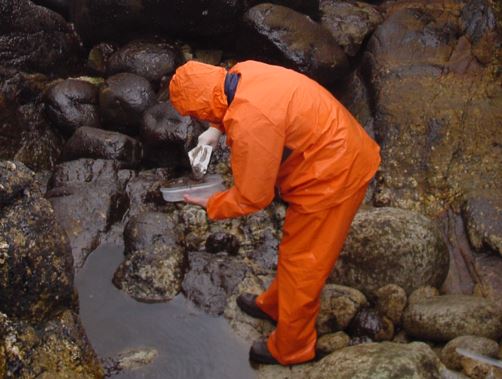
In addition of inspeccionar the pecio, was also importante determinar that type of combustible estaba the chegar the coast, cal era the its composición and the podía afectar ás augas.
Ricardo Prego and Antonio Cobelo, of the group of Bioxeoquímica Marine, were of the primeiros en ir á Coast of the Morte in the busca of mostras.
the work deste group in the Prestige allowed the publicación of preto dunha decena of artigos en revistas SCI, publicacións that chegan até 2013, in addition dunha longa listaxe of comunicacións en congresos (cun 2º premio for a delas) and publicacións doutros tipos that afondaron in the consecuencias bioxeoquímicas of the vertidos.
Thus, were quen of determinar the mala calidade of the carga vertida, asfaltos and antracenos só queimados by algúns barcos the combustible (use prohibido in the In addition European polas altas emisións of sulfatos that provocan). Realizaron also análises of metais traza, a estudo pouco common neste type of accidentes, pero that allowed determinar the liberación of elemento coma níquel or vanadio á water and prever the their consecuencias.
Recoñecemento oceanográfico of the zona cero
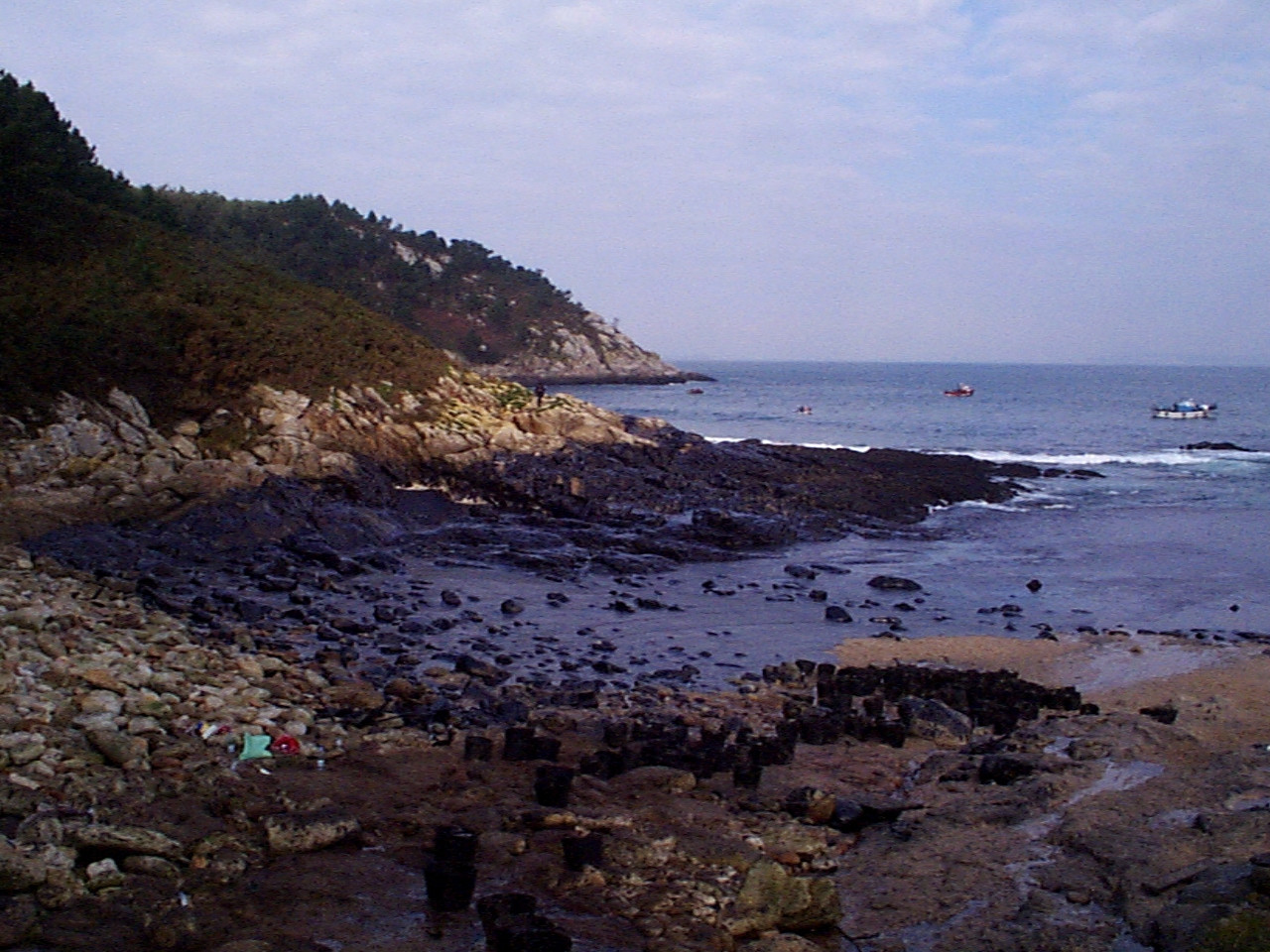
the coast Galician and a of the contadas rexións of the ocean with fenómenos of afloramento in the their costas. a entrada of water of the fondo of the sea, favorecida pola water of the ríos and the vento of the nordés, that nutre the nosas rias and provoca the característica baixa temperatura of the water in the verán.
Neste sentido, dende the antigo group of Oceanography (today dividido en various grupos dentro of the departamento of Oceanoloxía) realizáronse traballos for determinar the vertido interactuaría with this dinámica oceánica tan característica.
In addition, fixéronse estudos for determinar the characteristics of the talude or cimbra, the gran cantil underwater that marca the fronteira between the “coast” Galician and the “sea open” and alén of the cal afundiu the petroleiro.
the Prestige in the fishing and in the aquaculture
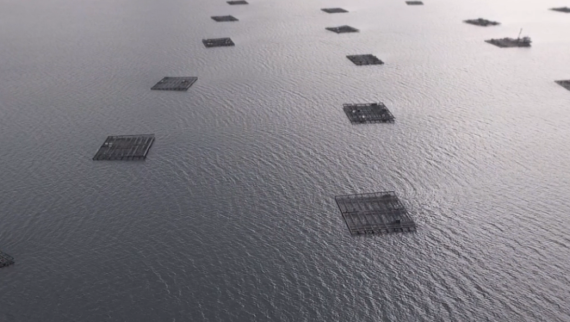
a of the primeiras preocupacións of the society Galician, on todo of the sectores produtivos of the coast, was the vertedura afectaría the biodiversity and, with ela, ás pesqueiras, caladoiros and areas acuícolas.
the xente of the sea was the primeira en saír, with barcos and aparellos, the sacar the fuel of the sea. Unido the favorables conditions of the vento of the nordés, that favoreceron a afloramento anómalo en October that mantivo the chapapote afastado dalgunhas rias the of Arouse, the work destas people evitou a catástrofe greater.
IIM tentou dar resposta, also, the preocupacións destes sectores. First, dende the group of Procesos Oceánicos en Global Change investigouse the fuel podía afectar to the first elo of the cadea alimentaria marine, the fitoplancto.
In addition, traballouse arreo dende the departamento of Biotecnoloxía and Aquaculture, for analyse, prever and paliar the efectos of the combustible on the aquaculture of the mexillón.
the contaba Laura G. Peteiro, that entrou by aqueles years the investigadora predoutoral in the group of EsMaba, dirixido by Uxío Labarta and María J. Reiriz, “the restos of combustible in the water, tiñan efectos in the crecemento the longo prazo of the mexillón. the group fixo a seguimento of the semente of different areas in the years seguintes, and was comprobando the esos efectos desaparecian and the populations ian recuperando”
in the eido of the fishing, membros of the actual group of Ecoloxía and Resources Marine, naquela época divido en various grupos, realizaron also the their contribucións.
By a lado, dende the antigo group of Ecoloxía and Biodiversidade Marine, participouse en projects the PRESTIPULPO, dirixido polo researcher F. Rocha and in the that participou the actual researcher Ángel González between outras people. Nese project estudaron the efecto of the vertido in the reprodución desta species of octópodo marine tan característico.
Also se estudou, dende the antigo group of Pesquerías, the efecto on different especies of interest fisheries, the pescada, the meiga or the faneca. the traballos were dirixidos dende the IEO, with Fran Saborido the coordinador dentro of the noso Institute.
Bacteria, biorremedios and limpeza: eliminar the contaminación
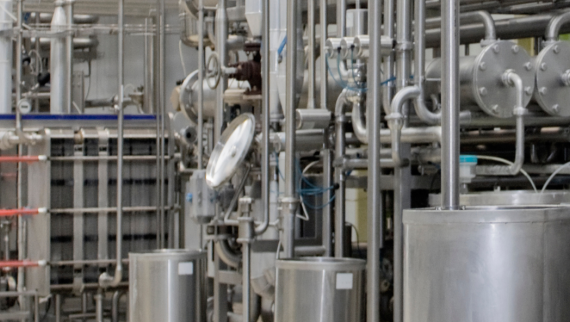
the biorremediación, the use of methods biolóxicos the bacteria for remediar problemas environmental, was outro of the eidos in the that IIM and, en specifically, the group of Reciclaxe and Valorización of Materiais Residuais (REVAL) dirixido naqueles intres polo researcher Miguel Anxo Murado, centrou the seu work.
Thus, investigouse first cal was the impact real of the fuel in the coast Galician and, nun second momento, the potencial of the use of nutrientes that favoreceran the crecemento of bacteria presentes in the medio litoral capaces of degradar the fuel or of biorremedios that xa incorporaban bacteria degradadoras of hidrocarburos.
the work of IIM centrouse, on todo, en areas afectadas of the Deck National of the Illas Atlánticas. the formulación more eficiente, derived deste proceso of biorremediación, was seleccionada for ser aplicada polo Ministerio in order to eliminar the chapapote presente in the resto of the coast Galician afectada. Thus the todo, the diminución in the eficacia of the biorremediación co paso of the tempo dende the impact of the derrame, levou to the group REVAL the traballar, subsequently, in the estudo of the aplicación of axentes químicos of limpeza of costas, en conditions eco-toxicolóxicamente seguras, the paso end in the maquillaxe ambiental of the roquedos costeiros contaminados.
the limpeza, a tarefa primordial
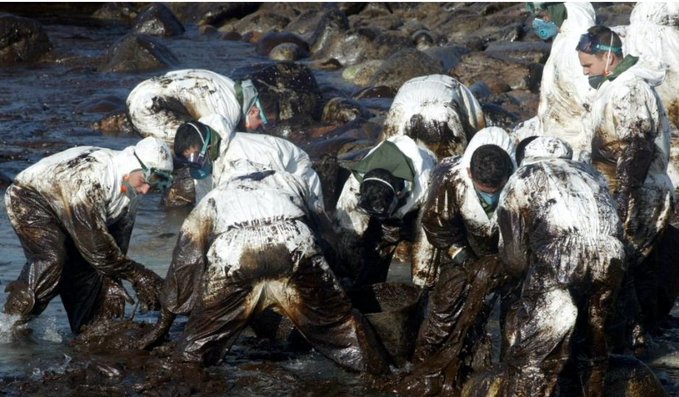
Tras todo the work scientific-técnico realizado, hai a punto in the that coinciden case todos the scientists and scientists of the Institute: the marea branca voluntaria that cubriu and limpou the coast was determinante for evitar a greater catástrofe and for the recuperación of the coast.
Combinado moitas veces coas their tarefas of research and coordinación, non always centradas in the Prestige, were moitos membros of the Institute the that uniron the tarefas of limpeza en praias and rochedos.
that queda of the Prestige 20 years despois?
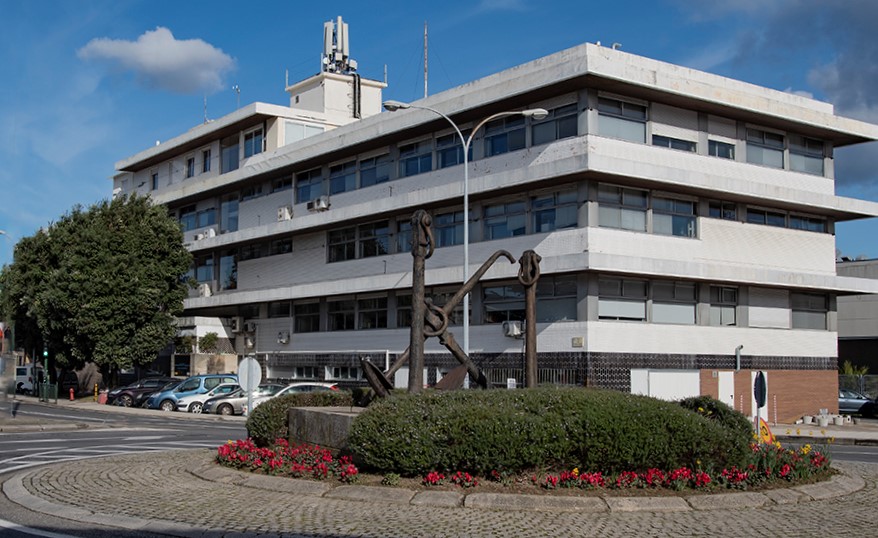
In addition of the leccións aprendidas, that were moitas, today contamos with dúas realidades in the marine science Galician that afunden the their raíces naqueles days: the Programme of Marine Sciences of Galicia (financiado polos fondos NextGeneration) and, incluso, the noso future traslado the a nova sé en Teis.
and é that, tralo afundimento of the buque, quedou patente a problema. Aínda that quixeramos medir the impact that tivo in the coast non contabamos cunha liña base, cun estudo exhaustivo of cales eran the conditions antes of the afundimento. Era necesario ter the coast monitorizada en todo momento and contar with data históricos of cara to the future.
Nese mesmo month of November convocouse in the Institute the representantes of todas the institucións galegas of marine research. in the xuntanza concluíuse the need of develop mecanismos that facilitasen the recollida and posterior posta en common of data on the estado of the ocean, the coast and the biodiversity that neles habitan.
the xuntanza non tivo results inmediatos pero, desa filosofía, desa need were xurdindo colaboracións puntuais that gradualmente fixaron the alicerces of the actual Programme Complementario of Marine Sciences of Galicia, posibilitado en 2022 grazas to the financiamento of the fondos NextGeneration.
Nesta mesma liña, xurde also the idea of the Campus Cinetífico-Tecnolóxico of the Sea. the through dunha carta publicada en June of 2003, the researchers Xosé Pintado and Fran Saborido, reclamaban the need of improve the colaboracións between the institucións of marine research galegas. Nesta misiva é onde podemos atopar the semente of the project that cristalizaría en 2011 and that, tras various atrasos, is cada vez more preto of consolidarse co noso future traslado á sé of the antiga ETEA.